Overview
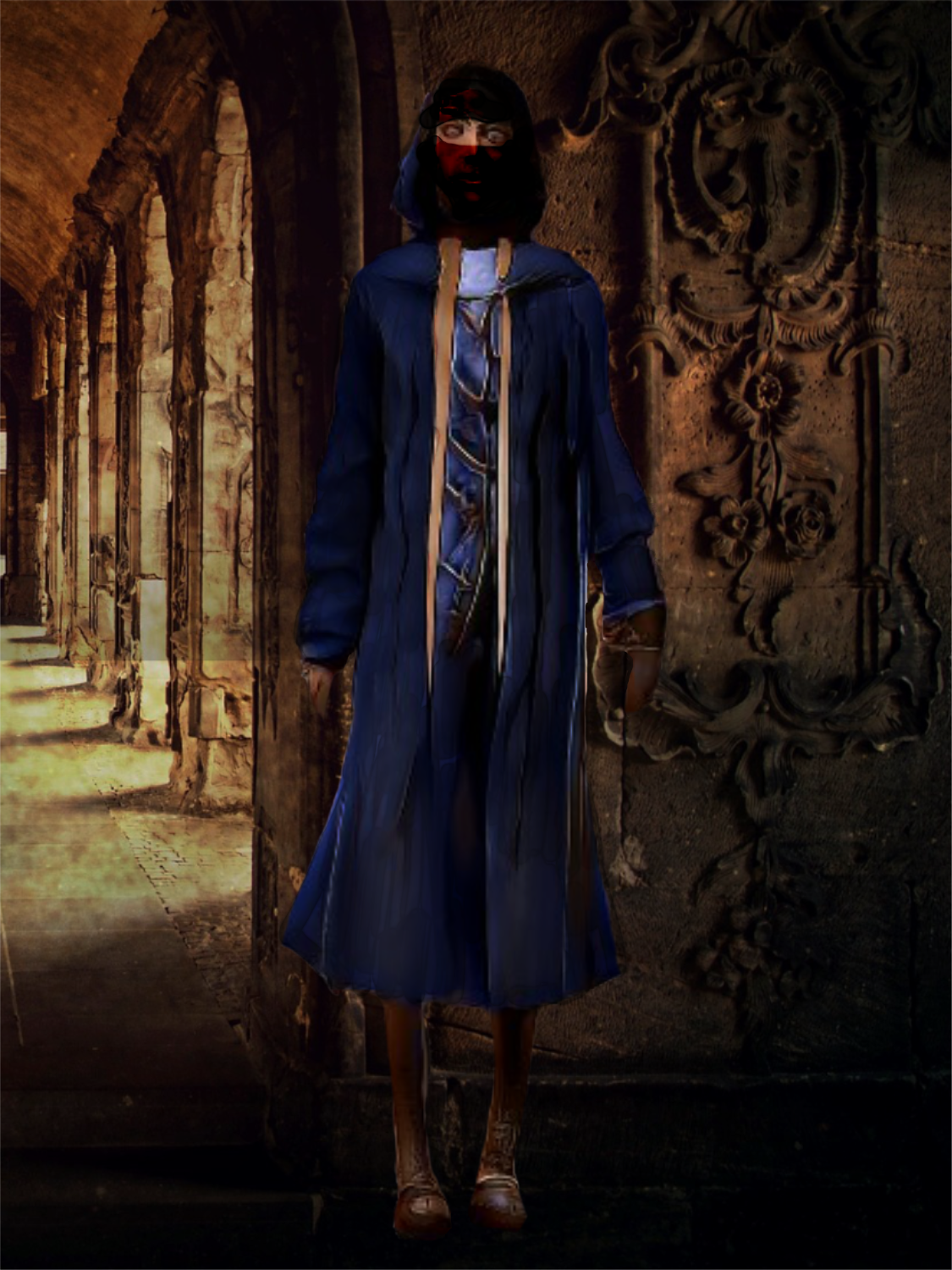
Sévérine Bélanger was the Logistics Boss for Torgaro Mine #12 and the first wife of Rens Torgaro. One of the few survivors of the initial Cataclysm blast in 3395 BTG, she worked with Rens to organize the survival of the miners trapped in the aftermath, and was instrumental in discovering a secret passage to the underground vaults beneath Urshalin City that provided the supplies needed to sustain life through the early years of the 30-Year Winter. Her later years were marked by a mysterious illness that deteriorated her mind and body, and she died in 3392 BTG, early in the Winter. Her daughter Ari Senra — from a relationship before her marriage to Rens — survived her and would grow up to become Rens’s second wife and the first Queen of Orsholon.
Relationships
Sévérine’s bonds were forged below ground and under pressure — a husband twenty-three years her junior who was her partner in the mine before he was her husband, a daughter born in the dark she would never see grow, and a secret shared with no one else in the world.
- Rens Torgaro — her husband, married before the Cataclysm; the Chief Officer of the Mining Division and her partner in survival. Twenty-three years her junior, the marriage was forged in shared hardship as much as ceremony — the young officer she fed, and the woman who kept his mine’s ledger. She died early in the Winter; he carried on alone and later married her daughter.
- Ari Senra — her daughter, born in the mine during the Winter, from a relationship before her marriage to Rens; Rens is not her father. Sévérine was already declining when Ari was born and died while she was an infant; Ari never knew her, and grew up to marry Rens and become the first Queen of Orsholon.
- The descent party and the vault team — the three miners Rens hand-picked for the descent, and the eight who came to know the vaults’ truth. Trusted with a secret that could not survive a leak; their names do not survive either.
- The survivors of Mine #12 — the three hundred her logistics kept alive. She moved their stores, planned their rations, and filled the hidden storage room anonymously while they slept.
- The father of her daughter — unnamed. A relationship from before her marriage to Rens; no record of him survives.
The Cataclysm and Its Aftermath
When the Cataclysm struck in 3395 BTG, Sévérine was in the Mine Office on Level 1 of Torgaro Mine #12, having brought Rens a midday snack — and snacks for the rest of the team as well. She was one of the few who survived the initial blast and immediately began working with Rens Torgaro on survival plans.
As Logistics Boss, Sévérine was intimately familiar with the mine’s layout and the contents of its storage spaces. She understood that the supplies set aside for mine collapses were only designed to last a month at most for a few dozen miners — and with the number of survivors, they would last only a week or two.
She was tasked with the seemingly impossible: finding supplies to help the survivors endure however long it would take to make it through. She worked closely with Rens to define living quarters within the mine, take stock of all available supplies, move all stores to the mine’s top three levels, find ways to heat and light the caves, and plan food distribution.
The 30-Year Winter came on quickly, but there was just enough time after the initial blast to scavenge through the rubble and wreckage outside. However, the blast and subsequent winds had scoured the surface clean — trees, vegetation, buildings were all gone, either vaporized or uprooted. All that remained was a barren wasteland.
The Descent to Level 21
Sévérine proposed a desperate plan to Rens. The mine had recently excavated down to Level 21 in preparation for geosurveys. She knew of a secret — known only to her and Rens — that Level 21 had an access point that connected to the sewers and tunnels beneath Urshalin City.
Through this access point, gemstones had been taken directly to the city vaults without ever going through the mine entrance. Some of these vaults were also used to store heirloom seeds, grains, and other non-perishable food supplies. If they could reach the access point, they might be able to reach those supplies.
Rens hand-picked a team of three miners who could be trusted with the secret. Along with Sévérine, their mission was to travel down to the access point, determine if it was passable, and begin retrieving supplies.
The Sealed Door
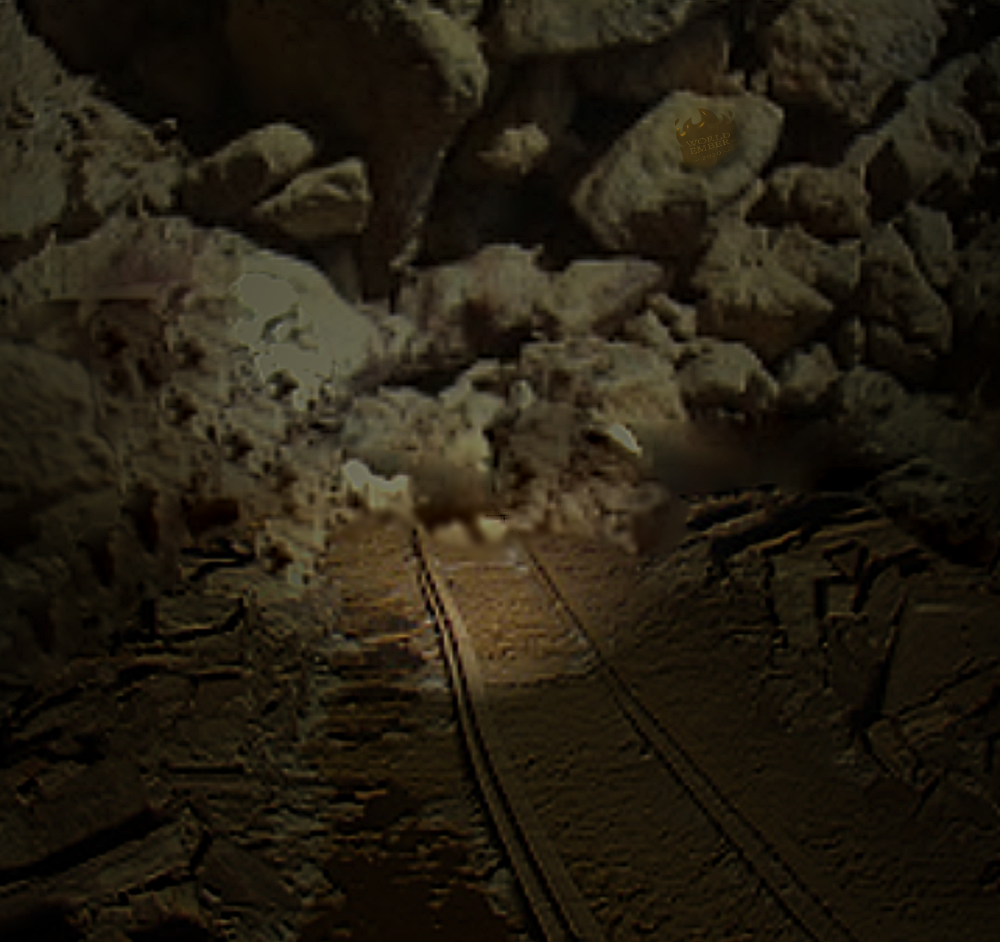
Upon reaching Level 21, they found the access point mostly intact. The thick steel doors were shut, with mine rails disappearing beneath them. But the doors would not open — the frame had shifted, bent slightly by seismic activity, jamming them shut. As the party struggled, the thick, unventilated air began to affect them — headaches, lethargy, insufficient oxygen. They needed a way through quickly.
The Magnesium Solution
A miner proposed using magnesium. Many of the mine’s tools were alloyed with magnesium, which made them lighter and stronger. In its powdered form, magnesium burned very hot and was sometimes used to soften metals for quick repairs.
The plan: place piles of magnesium shavings at each hinge, ignite them, then douse the heated metal with water. The thermal shock would make the hinges brittle enough to shatter. The drawback: magnesium consumes oxygen. But they had no choice.
At the far end of Level 21, they found a workbench with magnesium and welding torches. Using the torches would be too dangerous in the oxygen-poor air, but the torches provided igniters.
They coated a hinge with magnesium paste, and a miner fitted a short explosive fuse to the hinge and lit it. When the magnesium ignited, the tunnel lit brighter than day. Sévérine doused the glowing red hinge with water. Steam rose, and moments later came a distinct ping — the metal had become brittle. Two or three hammer blows shattered the hinge. The second hinge followed, and they felt fresh airflow from above the door. They wedged rocks and metal shafts around the door, tied a rope around the drawbars as a safety measure, then applied magnesium to the last hinge. As the metal heated and flexed, the door’s own weight became too much. It crashed to the floor. The first thing they noticed was fresh, oxygenated air.
The Secret Revealed
Sévérine was the only person besides Rens who knew the truth about this tunnel. The two had planned it with Torgaro Industries engineers, but the engineers and miners had been told the door was added because the geologic team deemed the area unsafe. The miners had dug approximately one mile past the door, believing it was just a safety measure. In reality, the tunnel connected to a second section that led to the Urshalin City vaults.
About three miles from the metal door, the party reached the vaults. Sévérine led the team past doors containing uncut gems, cut gems, gold, silver, and platinum bars — none of which would help. The fourth door opened onto the preservation vault: their destination. Inside were rows upon rows of shelves with sealed containers of seeds, and boxes of dormant tubers.
Over the next few hours, the team made three trips between the vault and the mine. They brought up ore carts, laden with supplies, unloading away from the access point so that others could retrieve the goods without learning the vaults’ existence.
Sustaining the Survivors
Back at the mine entrance, Sévérine and Rens devised a plan: the original crew plus four more would be responsible for bringing items from the vault to a drop-off location in the mine; they would fashion a new set of doors to replace the destroyed one; a fake mine collapse would be created to deter prying eyes; and a hidden space with an iron door would be carved nearby, with a small passage back to the existing tunnel — described as a secure room for dangerous items. Only Sévérine, Rens, and the eight assigned miners would know the truth.
Goods brought from the vaults were moved by ore cart up the mine in three stages, with two rest periods between. A round trip could take as much as four days. Teams from “up top” arrived approximately every two days. In between, Sévérine’s team filled the hidden “storage room” anonymously.
Over time, they brought up medical supplies, non-perishable food, water, and various other items. But for some, these came too late. Without sunlight, depression set in among the mine inhabitants. Only two people had more than rudimentary medical knowledge.
Decline and Death
As the survivors entered the second year underground, Sévérine’s health began to decline. It began as what seemed like a cold — sniffles, cough, occasional fever. She was plagued by headaches.
By the third year, her symptoms worsened. She began acting strangely — confusion, unawareness of her surroundings, asking about shipments from Lohcrin as if the Cataclysm had not happened. These episodes lasted a few minutes. She became prone to angry outbursts, very unlike her usual calm and collected nature. Fevers and headaches increased.
By the fourth year, Sévérine had become delusional. Fearing she was a danger to herself and others, Rens had her moved to a small storage room on the second level, furnished as comfortably as possible. Her delusions grew. She feared cups of water, slapping them away and accusing bearers of trying to kill her. Before long, she was bedridden — still delusional, still irrational, but too weak to stand.
Sévérine Bélanger died 4 years and 3 months after the Cataclysm, in 3392 BTG.
The bat bite she received during the descent may have transmitted an unknown pathogen — a possibility that could explain the progressive neurological symptoms that claimed her life. She was fifty when Ari was born in the third year underground, and the strain of a late childbirth in the dark, layered onto a decline already underway, may have deepened it further. Despite her tragic final years, she was remembered as a hero for her stewardship during the crisis.
Legacy
Sévérine’s organizational skills and knowledge of the vaults saved countless lives in the immediate aftermath of the Cataclysm. The supplies she retrieved from the Urshalin City vaults helped sustain the survivors through the critical early years of the 30-Year Winter. The underground infrastructure she helped create provided a template for survival that other communities would later emulate. Her daughter Ari Senra, an infant when Sévérine died, survived her and would become the first Queen of Orsholon.
Personality
Sévérine Bélanger was calm, competent, and quietly stubborn. In the crisis she did not panic — she took stock. She moved slowly when others would have hurried, because she was thinking three steps ahead of the danger. She carried the vault’s secret for years without a word slipping, and she led the descent not by commanding but by knowing the way. The one recorded moment she breaks — the trembling voice that says “Rens, it’s bad, isn’t it?” — is the more human for being the only one. Her anger, when it came in the third year of the Winter, was the more terrible for having never appeared in her before.
Motivation
Sévérine Bélanger was the woman who kept the ledger of survival. As Logistics Boss of Torgaro #12 she knew every storage room and every supply cache in the mine — and she knew their honest limits. The stores set aside for a mine collapse were designed to last a month for a few dozen miners; the three hundred who survived the Cataclysm would eat through them in a week or two. She never promised what the stores could not deliver; she simply set about finding what could.
When the blast scoured the surface clean and the Winter closed in, it was she who acted while Rens stood in shock — she paused, nodded, and turned to collect the mine bosses. It was she who proposed the descent to Level 21, who insisted the party move slowly through the fouled air so that none of them collapsed, who walked past doors of uncut gems and gold and silver and platinum — none of which would help — straight to the preservation vault of sealed seeds and dormant tubers. She knew what mattered, and she knew what did not.
She was also a keeper of secrets. The tunnel from Level 21 to the vaults beneath Urshalin City was known to her and to Rens alone — a Torgaro arrangement planned with the company’s engineers and hidden behind a cover story of an unsafe door and a fake cave-in. She carried that secret through the blast and through the years that followed, guarding a store that would outlast the Winter.
And she was a caretaker. On the day the ground shook she had walked into the mine office carrying a midday snack for her husband — and snacks for the rest of the team as well. In the thick air of Level 21 she chose slow movement over speed because haste would have killed them all. When the truth of what had happened arrived, it was her trembling voice that spoke it for both of them: “Rens, it’s bad, isn’t it?”
The tragedy is that the mind which saved them was the thing the Winter took from her. The bat bite on the descent — a small risk accepted in the service of the mission — may have carried an unknown pathogen. The decline began as a cold in the second year underground, became confusion and anger in the third, and by the fourth she feared cups of water and accused her bearers of trying to kill her, until she was moved to a small storage room and lay bedridden. She died four years and three months after the Cataclysm, aged fifty-one, never crowned — a hero remembered for the stewardship that cost her everything she was.
Timeline
| Date | Event |
|---|---|
| 3443 BTG | Born. Family, birthplace, and early life unrecorded. |
| — | Joins Torgaro Industries / Mine #12; rises to Logistics Boss. Career path unrecorded. |
| — | The Level 21 access tunnel is planned with Rens and Torgaro Industries engineers — a secret held by the two of them. |
| — | Marries Rens Torgaro — before the Cataclysm; she is twenty-three years his senior. |
| — | Ari Senra conceived (birth 3393 implies conception ~3394; Rens is not the father). |
| 3395 BTG | The Cataclysm. In the Mine Office on Level 1 with a midday snack for Rens and the team; ~300 survive. |
| 3395 BTG | The descent to Level 21; the sealed door breached with magnesium; the bat bite. |
| 3395–3392 BTG | The vault supply operation — three stages, four-day round trips, the fake cave-in, the hidden storage room. |
| 3393 BTG | Ari Senra born in the mine — Sévérine is 50, showing early decline; among the first children born after the Cataclysm. |
| ~3394 BTG | Second year underground: decline begins — cold-like symptoms, headaches. |
| ~3393 BTG | Third year: confusion, angry outbursts, lapses in which she asks after shipments from Lohcrin. |
| ~3392 BTG | Fourth year: delusional; moved to the Level 2 storage room; bedridden. |
| 3392 BTG | Dies — 4 years 3 months after the Cataclysm, aged 51; bat-pathogen decline, unconfirmed. |
Quick Facts
Full Name: Sévérine Bélanger
Role: Logistics Boss, Torgaro Mine #12
Species: Human
Born: 3443 BTG
Died: 3392 BTG (aged 51)
Spouse: Rens Torgaro (married before the Cataclysm)
Children: Ari Senra (daughter from a prior relationship; Rens is not her father)